
First Steps in Neighborhood Discovery

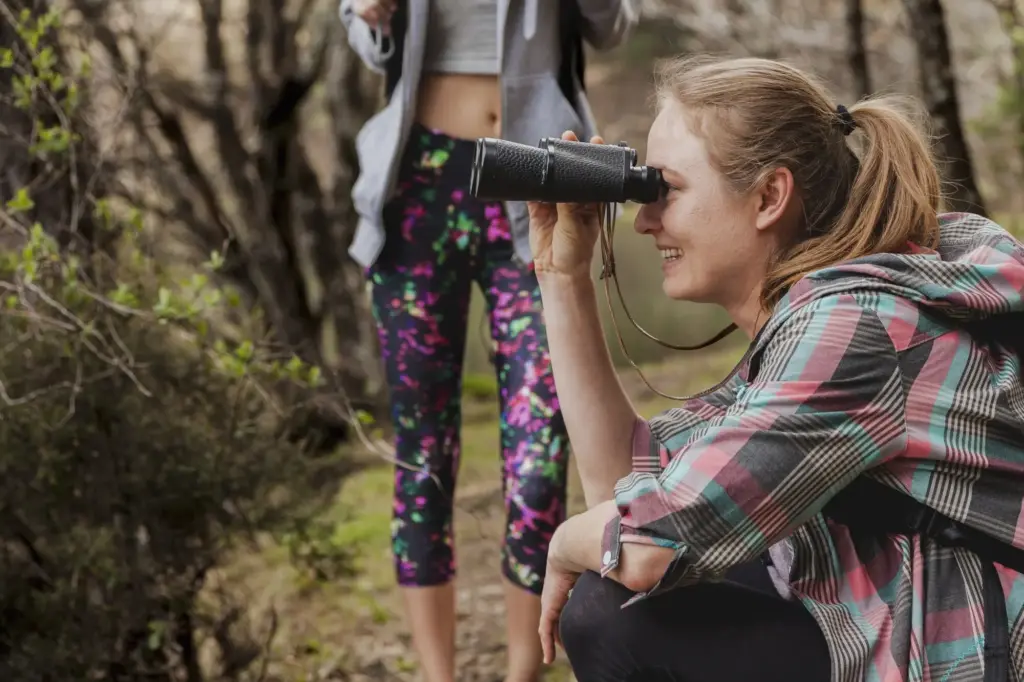
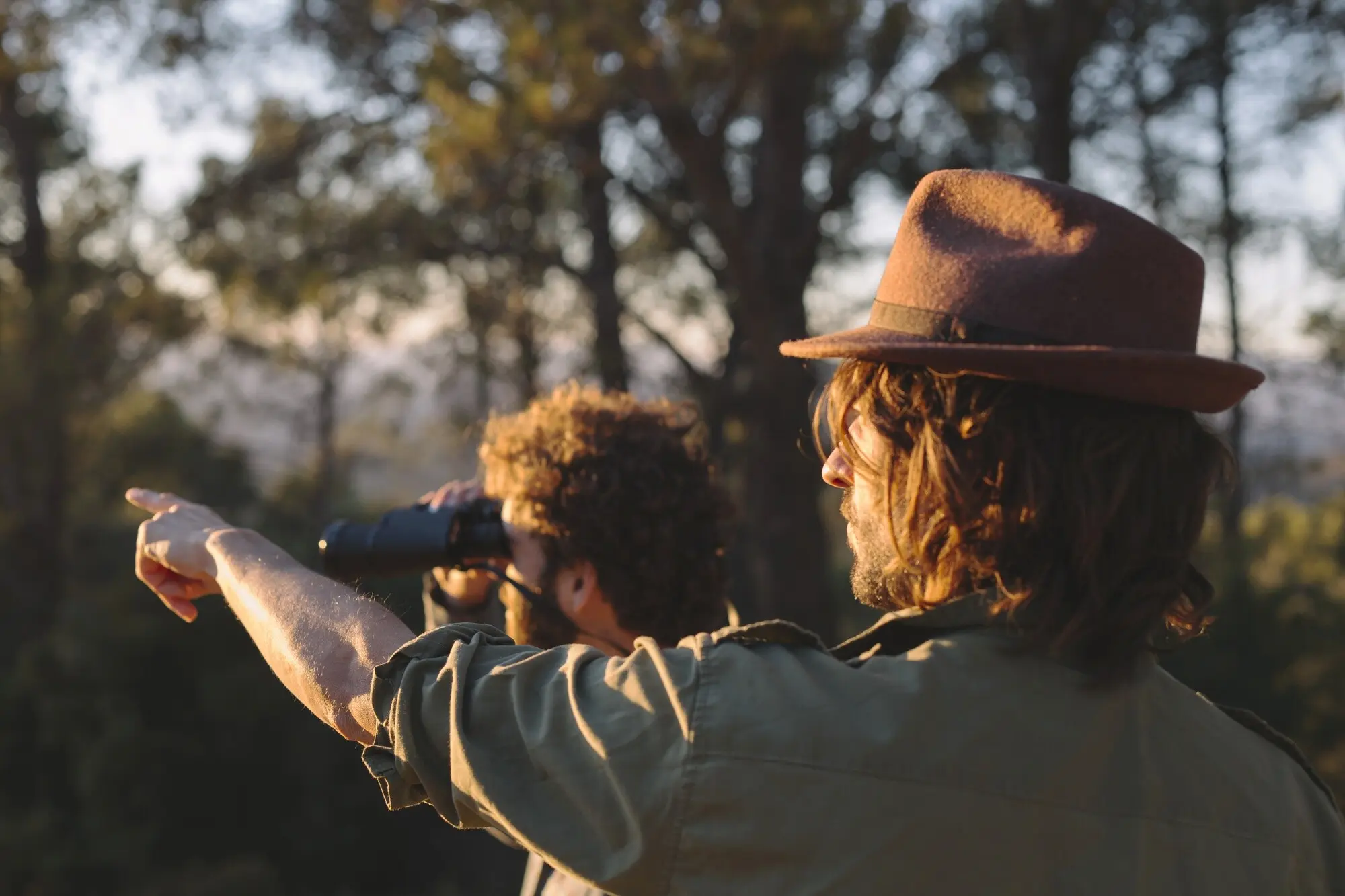
Begin where you are, with what you already notice: the sparrow on the railing, moss along the curb, a bee visiting clover between paving stones. A short daily walk or balcony scan can become a powerful habit, revealing patterns, surprising visitors, and a growing confidence that your observations genuinely matter to science and stewardship in your community.

Tools That Turn Curiosity into Evidence

Choosing the Right App for Your Place

Pick tools that match what you see most: eBird for morning flyovers, iNaturalist for plants and insects, Merlin for sound IDs, or Seek for quick, kid-friendly suggestions. Explore offline modes, privacy settings, and community features. The best app is the one you enjoy using consistently, encouraging careful notes and regular participation through changing seasons.

Metadata That Matters

Great observations include precise time, date, location accuracy, habitat notes, behavior, and effort. Did you search ten minutes or an hour? Was it raining? Were you on a balcony or sidewalk? Rich metadata helps analysts compare records, filter noise, and trust conclusions, while privacy controls protect sensitive species and your home address from public maps.

Sound and Video as Data

Audio recordings capture night birds, frogs, and crickets that evade photos. Try a quiet stance, point the microphone toward calls, and add notes about distance or background noise. Short video clips can document behavior, wingbeats, or feeding. Combined with still images, your multimedia approach boosts verification and transforms fleeting moments into study-worthy evidence.

Quality, Ethics, and Safety Outdoors

Responsible observing keeps wildlife safe and your data trustworthy. Avoid baiting, chasing, or handling organisms. Respect private property, nesting sites, and local rules. Double-check identifications, welcome corrections, and credit community reviewers. Dress for weather, use sun protection, and tell someone your route. Safety and ethics are not extras; they are the foundation of meaningful contributions.

Respect Lives and Limits

Treat every organism as a neighbor, not a prop. Keep respectful distances, especially during nesting or breeding. Do not pick wildflowers for close-ups or move logs you cannot carefully replace. Small choices prevent stress and habitat damage, ensuring your data reflects natural behavior rather than disturbances that skew results and endanger already vulnerable populations.
Verification Without Ego

Identification grows through dialogue. Share the best evidence you can, then consider reviewer suggestions with curiosity. Maybe your “rare hawk” is a common juvenile; learning field marks from experts strengthens future observations. A gracious attitude speeds consensus, lifts data quality for everyone, and creates a welcoming culture where beginners and veterans collaborate without intimidation.
Stay Safe, Stay Seen

Urban and suburban observing still demands preparation. Wear bright layers, carry water, mind traffic, and be cautious near construction or stray dogs. In tick-prone areas, use repellent and check clothing later. Keep valuables discreet and choose well-lit routes at dusk. Comfortable, confident observers notice more, document better, and return tomorrow to build consistent datasets.

Seasons, Patterns, and the Stories They Tell

Daily notes become narratives when stitched across weeks and years. Track first blooms, migrating swifts, or autumn fungi flushes. Phenology reveals climate signals and urban heat islands, guiding gardeners, city planners, and researchers. Your careful timing unlocks patterns, connecting neighborhood snapshots into living calendars that record change, resilience, and opportunities for thoughtful stewardship.

From Backyard to Big Picture

Your records do not sit idle. Many platforms share vetted observations with global biodiversity aggregators used by scientists, conservationists, and policymakers. Combined with thousands of neighbors’ contributions, your notes help map species distributions, detect invasive arrivals, and prioritize habitat restoration. Small, consistent efforts become signals that shape decisions far beyond one backyard.

Where Your Records Travel

After community review, many observations flow to open biodiversity repositories consulted by researchers and planners. This broader visibility enables climate models, range maps, and conservation status updates. Transparent licensing, clear metadata, and accurate geolocation ensure your effort remains useful over time, allowing tomorrow’s questions to benefit from today’s careful observations and context.

Real-World Wins

Crowdsourced observations have informed urban pollinator corridors, guided invasive species responses, and supported migratory bird protections. When datasets highlight hotspots or seasonal bottlenecks, agencies and nonprofits can act sooner and smarter. Your patient logging of everyday species, not just rarities, often provides the baseline essential for detecting change and measuring the success of interventions.

Invite Others and Grow the Circle

{{SECTION_SUBTITLE}}

Host a Micro-BioBlitz

Pick a one-hour window, define a small area, and invite neighbors to log everything they see. Provide a quick tutorial on photos, notes, and respectful behavior. Compare results afterward, celebrate surprises, and plan a follow-up. Frequent, friendly mini-events nurture confidence, strengthen skills, and turn curiosity into a lasting neighborhood tradition filled with discovery.

Teach with Wonder

For families and schools, create hands-on moments: magnify leaf veins, compare bird calls, or watch pollinators visit different flowers. Celebrate questions over perfect answers. Encourage drawing, storytelling, and bilingual labels. Children’s openness reshapes adults’ attention, creating welcoming spaces where observation feels playful, safe, and scientifically meaningful, even on a rainy afternoon beside a window.