Setting Up a Gentle Night Watch

Transform a balcony, stoop, or small yard into a welcoming station for winged visitors and passing bats without disturbing your neighbors or the animals you admire. We will balance curiosity with care, choosing lights thoughtfully, reducing hazards, and planning simple routines. Expect hands-on tips, agreeable compromises for apartments and shared spaces, and ways to invite family or friends, so everyone learns, enjoys, and sleeps well while your street quietly reveals its adventurous, moonlit life.

Light-sheet magic on a budget

Hang a white sheet on a line or fence, clip it tight, and shine a warm, low‑intensity bulb so texture, not glare, attracts visitors. Add a notebook, pencil, and gentle jar for brief viewing, then release quickly. Keep porch lights shielded, dim extra lamps, and let darkness frame the stage while you settle into calm observation.

Listening for wings you cannot see

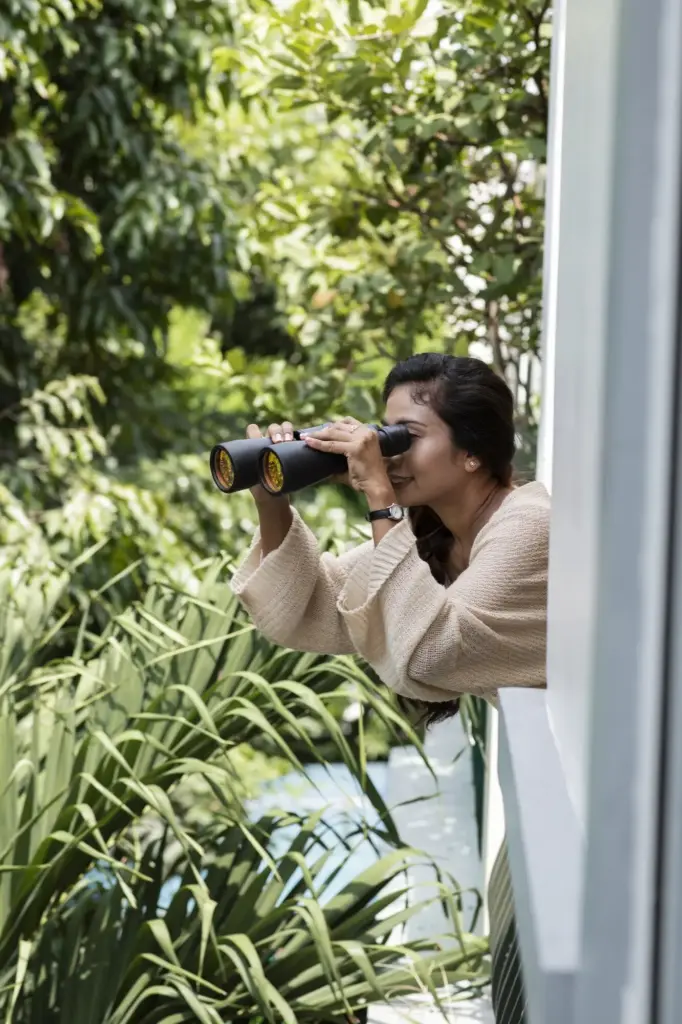
Stand back from the sheet and scan the margins, because bats often circle the halo rather than dive into it. You might hear soft chittering, feel a whirl of air, or glimpse a swift arc. Without gadgets, notice patterns; with a basic bat detector app or device, translate ultrasonic calls into playful blips, learning their different hunting styles.

Safety, neighbors, and respectful darkness

Tell neighbors about your plans, invite them for five calm minutes, and agree on quiet hours. Avoid sugary baits that create sticky messes or attract pests, and never use bug zappers. Keep pathways clear, cover cords with tape, and step carefully. Most importantly, end early if birds or roosting bats seem stressed, prioritizing shared peace over checklists.

Moths Up Close: Patterns, Behaviors, and Backyard Mysteries

From shimmering geometrids to hefty sphinxes, intricate designs tell survival stories written in scales. Learn why some rush to lights while others hide, how temperature shapes flight windows, and which native plants feed their secret daytime lives. Understanding these relationships turns casual sightings into meaningful encounters, helping you recognize return visitors and celebrate seasonal rhythms right outside your door.

Color maps and camouflage stories

Trace the splashes, chevrons, and quiet browns that mimic bark, lichen, or fallen leaves. These illusions protect resting adults from birds by day and offer us delightful puzzles by night. With gentle light and careful angles, you can photograph patterns that reveal hidden outlines, compare similar species, and notice tiny differences that sharpen identification skills over time.

From egg to flutter: the unseen day

Behind every visitor is a leaf-chewing child and a quiet cocoon. Learn to spot host plants, curled shelters, and telltale frass beneath favored branches. By protecting these nurseries, you welcome future nights of motion. Keep pesticide use off the schedule, plant for caterpillars, and watch a complete life cycle unfold on the same, friendly patch.

Photographing without harm

Use diffused light, increase ISO modestly, and stabilize your camera rather than blasting subjects with harsh flashes. Approach slowly, exhale, and wait for stillness. Place hands behind the sheet for scale, never on wings. Share images with identification communities, crediting your nearest town, and celebrate imperfections; documentary clarity is more valuable than polished glamour.

Understanding ultrasonic calls without equipment

Watch flight paths against fading sky, noting height, speed changes, and abrupt zigs that signal prey capture. These visual rhythms mirror acoustic signatures. Compare silhouettes: long, narrow wings suggest fast open-air hunters; broader shapes indicate maneuverable forest flyers. Later, listen to shared recordings online, matching behaviors you saw to call structures, building reliable intuition before buying tools.

Meeting them at dusk without disturbance

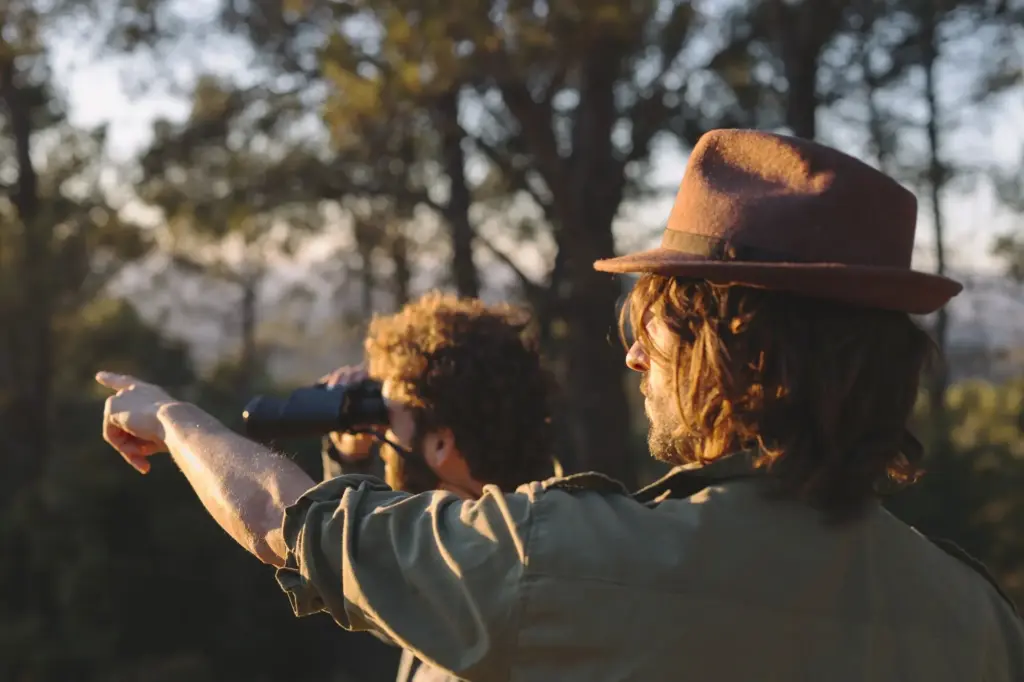
Choose open viewpoints near treelines or water, stand still, and keep conversations soft. Avoid pointing flashlights at silhouettes or roost entrances, and never approach maternity colonies. If your presence changes their path, retreat. Bring extra layers, a red-filtered headlamp for your notes, and patience, because the most rewarding scenes often arrive quietly after you relax.

When a bat enters your home

Stay calm, keep children and pets in another room, and open windows or doors toward the nearest dark exit. Dim interior lights and close off other spaces. Most visitors circle briefly, then leave once they find night again. If contact occurs, seek medical advice promptly, and consult local wildlife professionals for humane, lawful guidance.

Light, Plants, and Habitats that Welcome the Night

Your choices shape who shows up. Thoughtful bulbs reduce disorientation and skyglow; native flowers and larval hosts increase nourishment; loose corners, water dishes, and rough bark invite shelter. Together, these simple decisions transform a plain frontage into a lively corridor. The result is safer flights, richer stories for children, and neighbors who notice stars again and smile.

Choosing bulbs that protect darkness

Favor warm color temperatures, ideally below 3000K, and use full cutoffs that aim light downward. Timers and motion sensors limit spill to moments that matter, giving insects long, restful hours. Replace bright white floods with shielded amber options, and compare before‑after sky views; you will likely see more constellations and calmer moth behavior immediately.

Planting for night nectar and caterpillars

Select regional natives that open or scent at dusk—evening primrose, nicotiana, and white campion—while also adding larval hosts like willows, oaks, and grasses. Arrange bloom succession through seasons, ensuring steady resources. Avoid double flowers that hide nectar. Water deeply, mulch lightly, and leave stems standing over winter so tiny tenants survive storms and start again.

Field Notes That Matter: Contributing from Your Doorstep
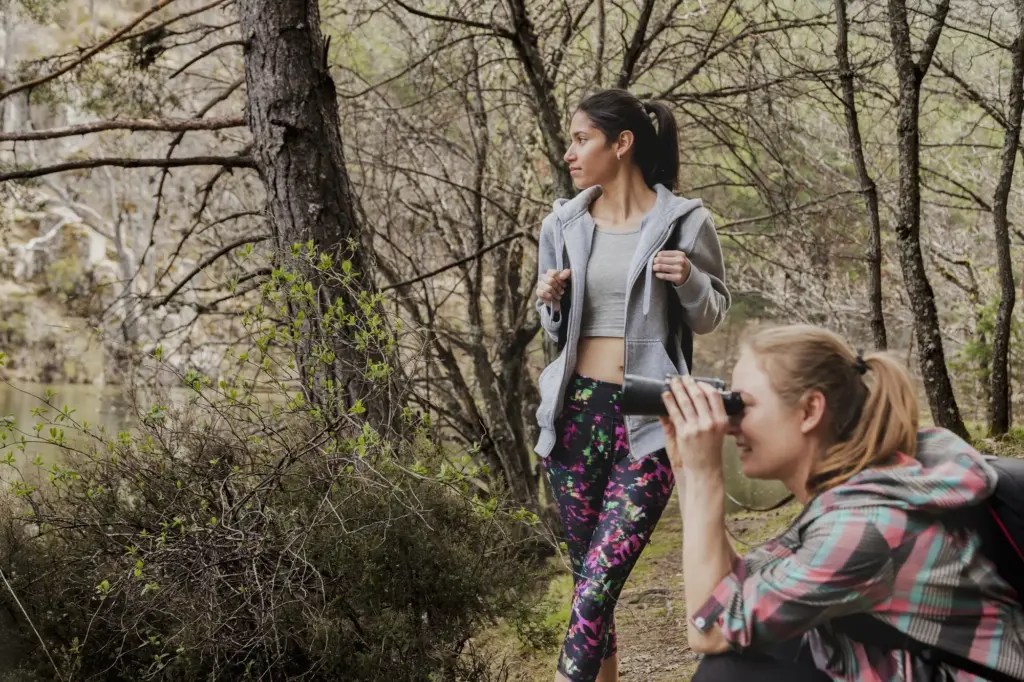
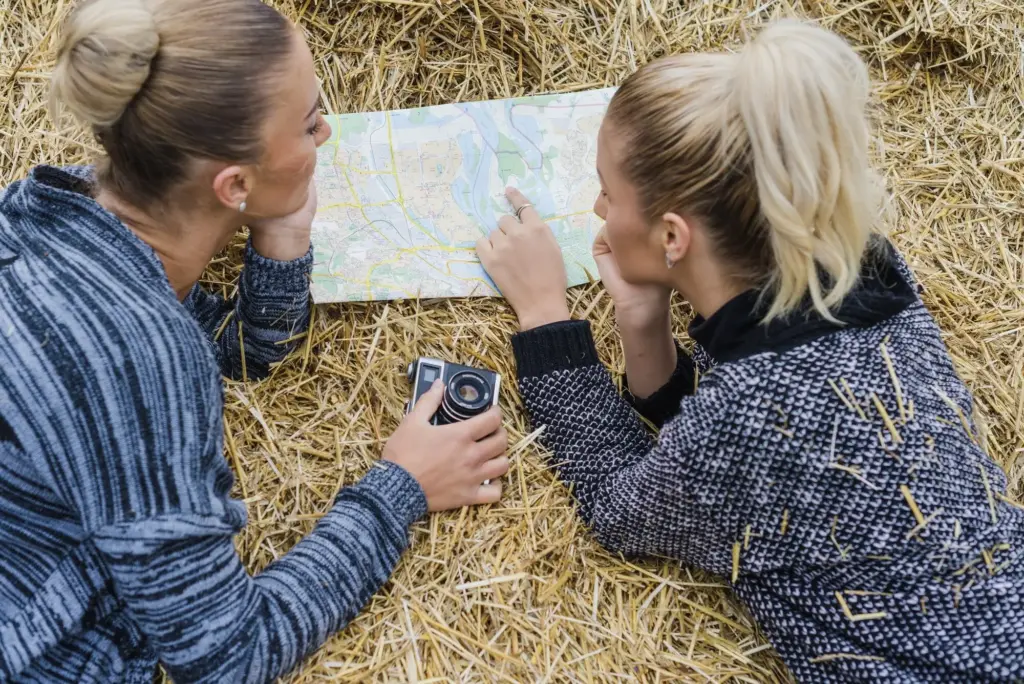
Your observations can power research on migration, seasonal shifts, and urban ecology. We will connect your evening routine to platforms where scientists and volunteers collaborate, and show how careful data entry turns small moments into durable knowledge. With repeatable methods and community spirit, your porch can become a modest station whose records influence conservation choices locally and beyond.

Recording observations scientists can use
Photograph dorsal and side views, include a scale reference, and tag location at neighborhood precision rather than exact address. Add time, temperature, cloud cover, and light type. Note behavior, host plant, or interaction with bats if clearly observed. These small details multiply value, making your record easier to verify and compare across seasons.

Building a simple data habit

Create a nightly checklist, prefill location and method fields, and set a gentle reminder fifteen minutes before dusk. After sessions, back up photos, upload promptly, and label uncertain identifications as tentative. Over time, this respectful rhythm lessens workload, improves accuracy, and turns your evenings into a collaborative practice that others can join and celebrate.

A Porchlight Tale: One Quiet Night, Many Discoveries
A single evening can widen how you see your block forever. Here we relive a calm summer watch that began with a loose sheet and ended with neighbors texting questions and thanks. Along the way, gentle visitors taught patience, a swooping bat stitched arcs overhead, and ordinary cracks became sanctuaries. Consider it an invitation to begin tonight.