A Simple Start: Tools, Mindset, and a Friendly Plan
Pocket Field Kit

Pack light to stay nimble and observant. A phone with macro capability or a clip-on lens captures close details, while a notebook preserves impressions that photos miss. Add hand sanitizer, a tiny ruler, and a reusable water bottle. Consider a small flashlight and spare battery for evening observations. Keep everything in a comfortable pouch, so spontaneous curiosity becomes effortless, and you never hesitate to step outside when a bird call, buzzing bee, or drifting seed invites attention.

Your First Thirty Minutes

Pack light to stay nimble and observant. A phone with macro capability or a clip-on lens captures close details, while a notebook preserves impressions that photos miss. Add hand sanitizer, a tiny ruler, and a reusable water bottle. Consider a small flashlight and spare battery for evening observations. Keep everything in a comfortable pouch, so spontaneous curiosity becomes effortless, and you never hesitate to step outside when a bird call, buzzing bee, or drifting seed invites attention.

Kindness, Safety, and Boundaries

Pack light to stay nimble and observant. A phone with macro capability or a clip-on lens captures close details, while a notebook preserves impressions that photos miss. Add hand sanitizer, a tiny ruler, and a reusable water bottle. Consider a small flashlight and spare battery for evening observations. Keep everything in a comfortable pouch, so spontaneous curiosity becomes effortless, and you never hesitate to step outside when a bird call, buzzing bee, or drifting seed invites attention.

Seeing Plants With Fresh Eyes

Plants quietly map the block’s history, water flow, and microclimates. Learn to read leaf shapes, vein patterns, bark textures, and branching styles the way you read handwriting. Wildflowers in sidewalk seams, mosses hugging bricks, and resilient street trees each narrate survival strategies. Focus on pairs of lookalikes and document distinguishing traits. Over time, your street becomes a familiar herbarium, and names transform from trivia into anchors that help neighbors notice seasonal change and steward shared green spaces.

Birds, Bugs, and the Hidden Lives Around Us
Animal activity surges at edges where light, food, and shelter overlap. At dawn, birds announce territories from wires and chimneys. By midday, pollinators choreograph traffic between dandelions, clover, and balcony planters. After dark, moths gather at porches while bats sweep invisible arcs. Learn to listen first, then look. Track behavior, not just names: feeding, nesting, patrolling. The more patterns you recognize, the more your block feels like a community of neighbors with distinct routines, needs, and voices.

Photos With Purpose

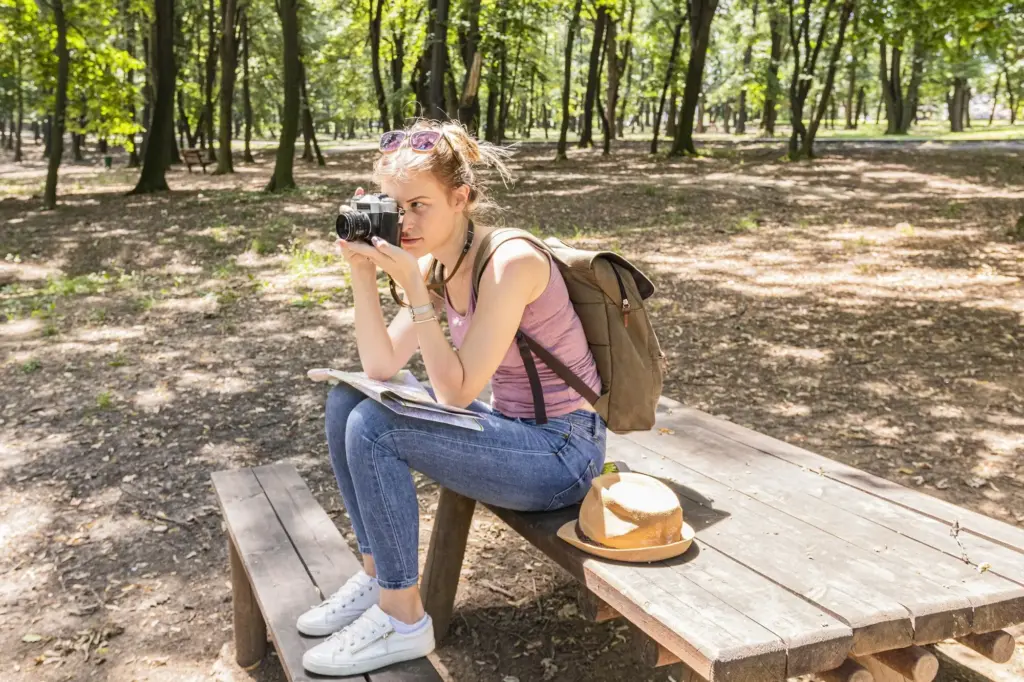
Frame subjects from multiple angles: whole organism, key diagnostic detail, and surrounding habitat. Stabilize your phone against a pole or knee, and tap to focus on important features. Avoid heavy filters. Include a reference for scale without blocking parts. When subjects move quickly, prioritize behavior shots, then return for close details later. Organized albums by street corner or date streamline comparisons, support trustworthy identifications, and make your neighborhood’s living catalog beautiful, rigorous, and easy to browse together.

Notes That Power Discovery

Beyond names, capture behaviors, host plants, microhabitats, and interactions. Did ants herd aphids on a rose stem? Did a bee prefer clover over nearby daisies? Record time of day, temperature impressions, and wind. Short, consistent sentences beat long, irregular paragraphs. Add simple sketches when photos cannot capture smells or textures. Over weeks, patterns emerge that predict appearances and guide planting choices. Your notes evolve into a personalized field guide, tuned to the quirks and possibilities of your specific block.

Sharing to Citizen Science Platforms

Upload steadily rather than in large, discouraging bursts. Tag geolocations carefully, respect privacy settings, and keep duplicates minimal. Respond kindly to suggested identifications, asking questions and explaining your evidence. Join local projects focused on street trees, urban pollinators, or migrating birds. Celebrate other participants’ finds to build a welcoming culture. The wider community’s expertise lifts your accuracy, while your careful neighborhood records strengthen regional maps, inspire classroom projects, and support targeted efforts to enhance habitat along overlooked corridors.

Make It a Block Party of Discovery

Invite neighbors into the process with simple, celebratory structure. Set a weekend hour, share a printable checklist for beginners, and bring sidewalk chalk to mark hotspots. Offer kid-friendly magnifiers, establish a quiet area for focused observations, and create a shared online folder for photos. Keep commitments light. Rotate hosts, rotate routes, and rotate jobs. Every gathering becomes a tiny festival where laughter, learning, and snacks mingle, and where new friendships form around noticing, naming, and caring for nearby life.

Seasons, Weather, and the Rhythm of a Single Block

Nature’s timing shapes what you can find in familiar places. Rain reveals slug trails and lifts mushroom caps along fence lines. Heat concentrates butterflies at tiny water sources and nectar-rich corners. Cold mornings quiet birds but highlight tracks in dust or snow. Plan a monthly circuit, compare notes, and anticipate returns. Trust that attention accumulates like compost, enriching everything. Regular walks teach patience, gratitude, and the skill of noticing, which turns your own street into a lifelong classroom.

Spring Surprises and Muddy Shoes

As days lengthen, buds swell, and sidewalks offer confetti of petals and pollen. Track first songs, first blooms, and first bees with gentle consistency. Watch earthworms after rain and robins hunting nearby. Photograph seedlings weekly to witness dramatic growth. Invite neighbors to share favorite smells. Spring rewards curiosity with daily variations, helping beginners build confidence quickly. Muddy shoes and messy notes become treasured badges of participation in the season’s accelerating, hopeful rush toward green abundance and buzzing complexity.

Summer Heat and Urban Microclimates

High temperatures reveal survival strategies. Compare insect activity in shaded courtyards versus sunbaked intersections. Map spots where tree canopies cool sidewalks, and note which flowers fade first. Provide shallow water dishes for pollinators and watch visitors rotate. Photograph heat-loving weeds thriving through cracks, test ground temperatures, and record evening cicada choruses. Your microclimate map supports neighbor conversations about shade trees, reflective surfaces, and planting native species, turning observations into practical steps that soften heat for wildlife and people alike.