Adventure Together: Scavenger Hunts in Your Local Green Spaces
Today we’re exploring family-friendly scavenger hunts in local green spaces—parks, gardens, and neighborhood trails where curiosity becomes the compass. Expect playful planning ideas, creative clues, inclusive twists, and gentle nature stewardship, all designed to turn ordinary walks into memorable adventures that spark conversation, confidence, laughter, and lasting connections across ages. Bring water, kindness, and a flexible mindset, and let every leaf, feather, and shadow invite another delightful discovery worth celebrating together.
Getting Started with Playful Exploration
Great hunts begin with thoughtful preparation that centers joy, safety, and attention spans. Choose a nearby park with restrooms, shaded spots, and varied paths. Set a time limit, plan simple checkpoints, and keep goals realistic for mixed ages. Balance challenge with comfort, include movement breaks and snack pauses, and remember that the real victory is shared discovery, not finishing first or collecting the most items. Curiosity grows when expectations are kind and flexible.

Creative Clue Crafting That Sparks Wonder
Clues are the heartbeat of an engaging hunt. Mix rhythms, senses, and tiny mysteries: rhyming riddles, color swatches, sound prompts, and shadow outlines create inclusive entry points. Use simple maps, arrows drawn in chalk where permitted, or laminated cards clipped to backpacks. Invite children to write a few clues, then watch their pride glow as peers decode them. Keep directions friendly, actionable, and respectful of plants, paths, and wildlife, transforming each instruction into a moment of discovery.

Nature Stewardship Woven Into Play
A meaningful hunt nurtures respect for the land. Emphasize staying on paths, leaving nests undisturbed, and picking up litter that isn’t hazardous. Make “only take photos, leave gentle footprints” a cheerful mantra, not a scold. Celebrate quiet moments as achievements too—spotting an ant trail, noticing new buds, or counting mushrooms without touching. Stewardship grows when modeled consistently, transforming a simple checklist into a shared promise to care, notice more, and return with gratitude next weekend.
Accessibility, Inclusion, and Calm
Inclusive hunts honor different bodies, moods, and communication styles. Choose step-free loops when needed, add seating breaks, and provide alternatives to fast-paced running clues. Offer visual schedules, large-print lists, and bilingual versions. Use clear meeting spots and gentle timers, not blaring alarms. Support sensory needs with noise-dampening headphones or quiet nooks. Celebrate different leadership roles—navigator, timekeeper, encourager—so every participant shines. Thoughtful design ensures the day ends energized, not overwhelmed, with happy stories to revisit together.
Scout curb cuts, wide paths, and even surfaces; circle routes that avoid steep grades or sandy stretches. Place flexible objectives near benches and shaded areas. If stairs appear, offer a nearby alternative clue reaching the same accomplishment. Clipboards with straps, lightweight pens, and high-contrast lists enhance usability. Remember the power of pacing—more mini-wins, fewer long slogs. When people feel physically considered, confidence rises, conversations bloom, and attention can return to noticing squirrels, patterns, and dappled light.
Predictability helps many kids thrive. Share a simple schedule with icons: meet, explore, pause, celebrate. Use clear, concrete directions and avoid layered tasks under tight time pressure. Offer opt-out stations for quiet decompression with fidgets or coloring. Replace whistles with visual cues, like a bright scarf raise to signal regrouping. Provide choice points—two parallel clues, same value—so autonomy remains intact. Structures like these reduce anxiety, deepen focus, and help wonder feel safe and sustainable.
Welcome many languages by printing dual-language lists or including picture-based clues. Encourage families to bring stories from home—plants used in recipes, birds from folktales—so discoveries resonate personally. Offer pronunciation help for local species without embarrassment. Spotlight cultural celebrations tied to seasons, inviting respectful learning. When everyone’s knowledge counts, confidence grows. Belonging multiplies when neighbors feel seen, not merely accommodated, and a simple weekend outing transforms into a shared neighborhood memory worth repeating and expanding.


Safety, Weather, and Seasonal Strategy
Smart planning keeps adventures joyful. Share a simple safety plan with a buddy system, visible name tags, and a clear meeting tree or pavilion. Check weather forecasts and adjust routes accordingly. Sunscreen, hats, insect protection, and layered clothing matter across seasons. Hot days favor shade and shorter loops; rainy days invite puddle challenges and waterproof joys. Winter hunts sparkle with track spotting and thermos cocoa. Flexibility turns forecasts into features rather than last-minute cancellations and tears.
Celebrate Tiny Discoveries
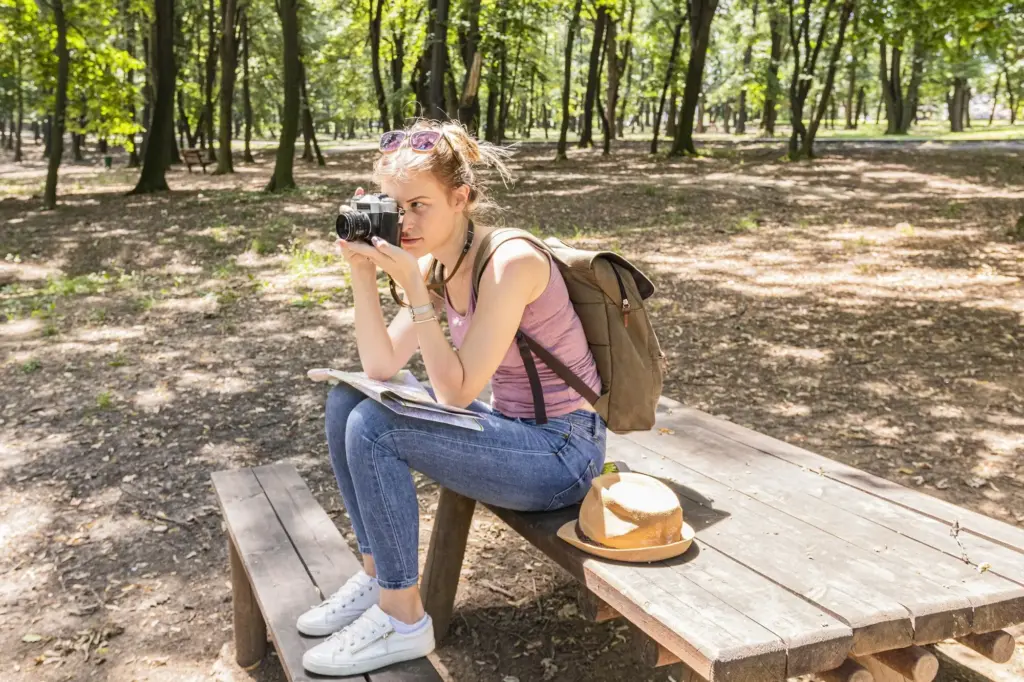
Applaud details: the patient pause that revealed a ladybug, the careful listening that found a distant woodpecker, the teamwork that solved a tricky rhyme. Offer small, meaningful mementos—hand-drawn badges, leaf silhouettes stamped on recycled paper, or a shared chant. Recognition anchored in effort and observation teaches kids that attention matters. Over time, these micro-celebrations shape habits of noticing, kindness, and courage that persist beyond today’s park and into everyday streets and classrooms.

From Park to Kitchen Table
Extend the adventure at home with a reflection snack. Print a few photos, ask each person to share a surprise and a wish-for-next-time, then sketch a new clue together. Turn leftover observations into art, poetry, or a bedtime story. This gentle closure cements memory pathways and gathers feedback naturally. As families iterate, hunts evolve, confidence grows, and local landscapes become trusted companions rather than backdrops, inviting frequent, joyful returns to nearby paths and gardens.